▶ Cinematic fable · Watch on YouTube ▶ 影片版寓言 · 在 YouTube 观看
太行深处的悬空三峰上,立着三座同气连枝的道观:东峰观、中峰观与西峰观。三峰隔着万丈深渊,只靠几道铁索吊桥与飞鸽相通。观中掌管着山下方圆百里的田亩地契与香客借券,每座峰的藏经阁里,都端端正正陈列着一模一样的黄铜柜,柜内码放着成千上万枚记录契约的梨木牒。
深山云雾阻隔,鸽信时快时慢,铁索桥遇风雨便数日难行。为了不让三峰的账目打架,祖师立下铁律:凡有香客结清债务、或有除名驱逐之事,掌柜道人绝不可直接用小刀将木牒上的名姓刮去。
因为若东峰擅自刮了牒,而西峰尚未得信,日后两峰核对,西峰只会以为东峰不慎虫蛀蚀坏了底册,反倒会好心替东峰重抄一份补上。
因此,规矩改成了“加盖示亡”:凡欲销除一笔账目,掌册道人便在旧牒上覆一枚薄薄的朱漆木签,以铁钉铆死,签上朱砂手书“已亡”,并烙上当天的干支年月日。
自此,任何道人翻检铜柜,见朱签覆顶,便知此账已作古,不复过问。这道法子行之经年,纵使三峰信使迟滞,也从未出过差错。
然而岁月流转,新的烦恼随之而生。铜柜空间有限,那些钉着红签的死牒年复一年越积越多。小道童每欲查验一笔活账,往往要先拨开几十枚落满尘土的朱漆死牒;到了后来,翻查一本账册竟要耗费小半日功夫,柜前咳嗽声与叹气声不绝于耳。
于是,三峰公议立下“三十秋之例”:一枚朱漆死牒若已钉满三十个秋天,便意味着天下所有分峰早该知晓此牒已亡。此时,各峰掌册道人方准开炉,将木牒与朱签一并投火焚化为灰烬,既腾空柜格,又消弭灰尘。
百年以降,焚牒化灰之例顺畅无阻,直到有一年隆冬。
一场罕见的冰雪崩塌,硬生生扯断了通往西峰的铁索吊桥。峡谷狂风呼啸,深雪封山,西峰自此与外界音讯彻底断绝。
这一断,便是整整四十年。
孤悬绝顶的西峰道人们守着旧规矩,年年清点阁中旧牒。他们不知外界变迁,也未曾点起炉火化灰。在西峰的铜柜深处,静静躺着一张四十二年前便该注销的无赖乡绅贾员外的索粮旧券。
而在东峰与中峰,三十年期满那日,道人们早已依照规矩,将贾员外的旧券与朱漆死牒一同请入丹炉,烧得干干净净。在两峰干净整洁的铜柜里,既没有贾员外其人,也没有那枚曾经证明他“已死”的红木签。
第四十一载春回大地,匠人们历尽千辛万苦,终于重新在绝壁间架通了铁索飞桥。
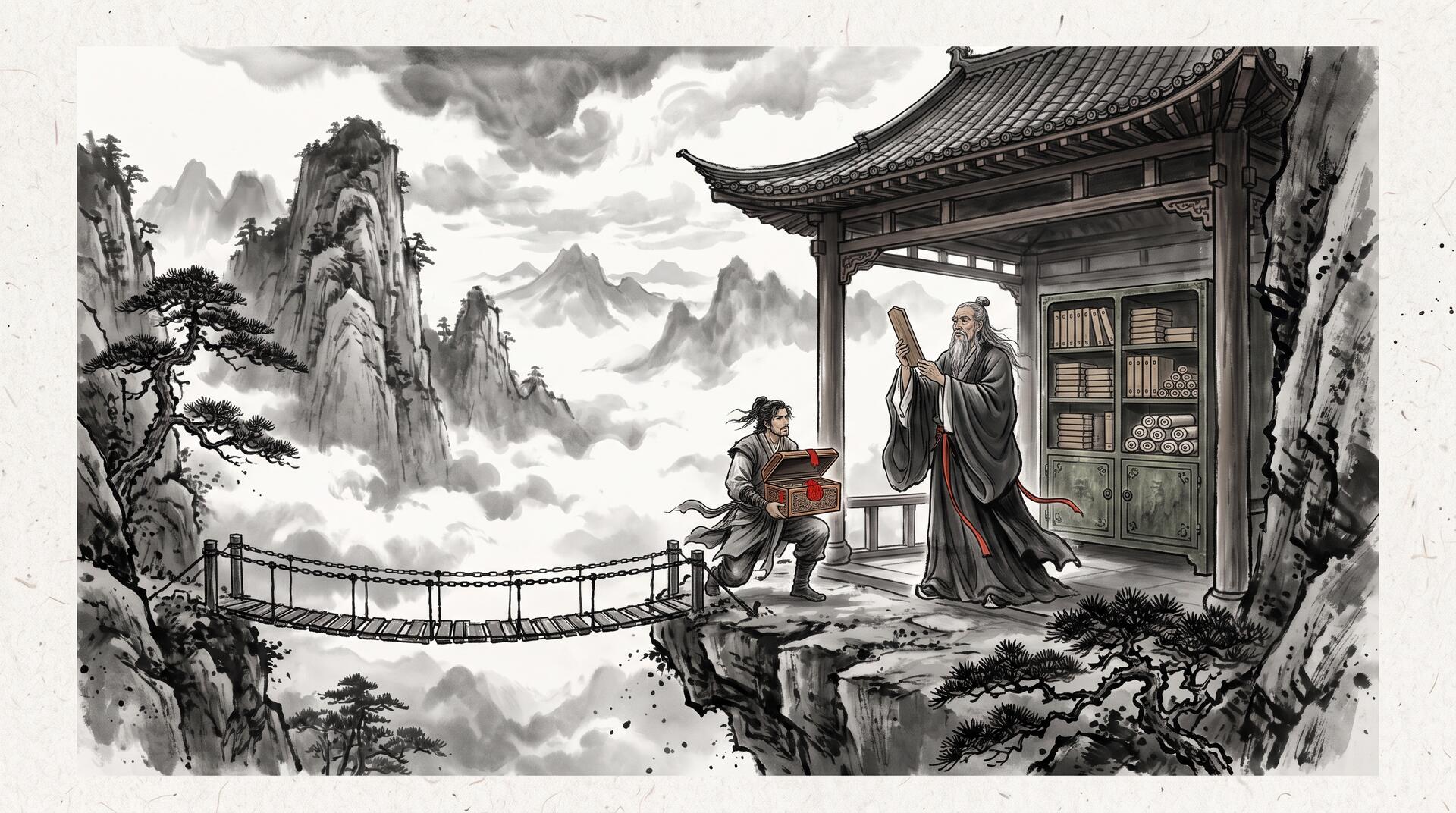
两山重聚,道门大喜。中峰的白发掌教亲率门人设下接风大典,西峰的年轻执事背着沉重的铜柜账册,兴冲冲踏过摇晃的飞桥,依循古训与中峰举行“合账大典”。
年轻执事自箱中捧出一枚泛黄的木牒,朗声道:“西峰检视旧底,尚存昔年贾员外寄存于本门之索粮券,记粟三千石!”
中峰掌教一愣,忙命人去翻中峰的铜柜。翻遍柜格,空空如也;既无此券,更不见任何朱漆示亡之签——早在十年前,那枚钉着死签的木牒便已化作丹炉青烟了。
掌教眉头紧锁,翻开祖传的合账铁律,只见上面赫然写着八个朱红大字: “彼有我无,必是遗失;照影摹拓,全峰皆补。”
掌教合上铁律,抚须长叹:“西峰有券,我处空悬无印,定是昔日火烛盗贼损毁了我峰底册!”
于是,在钟鼓齐鸣声中,中峰道人怀着万分虔诚,照着西峰那块未曾销毁的旧木牒,用上好梨木重新精刻了一份崭新的索粮券,更派快鸽飞报东峰,命东峰亦按式重刻、敬奉柜中。
那个早在四十年前便被天下道门处死、连坟头荒草都已枯朽的贾员外,就这么在中峰掌教亲手摹拓的刀笔之下……还魂了。
——到这儿你大概已经认出来了:这就是分布式存储系统(如 Apache Cassandra、ScyllaDB、DynamoDB、Riak)中经典的 墓碑还魂(Tombstone Resurrection / Zombie Data)现象。
这是什么
在无中心化主从结构(Leaderless)或依赖最终一致性(Eventual Consistency)的多副本分布式数据库中,删除操作并非立即将数据从磁盘擦除,而是写入一条特殊的标记记录——墓碑(Tombstone)。
- 为什么需要墓碑:在网络不可靠的世界里,副本节点随时可能宕机或网络分区。如果删除只是简单地在当前可用节点上物理擦除数据,那么等那个离线的旧副本重新上线,它带着未经删除的旧数据发起反熵修复(Anti-Entropy Repair)时,其他节点由于没有任何删除凭证,只能判定“对方有一条我没有的数据”,从而把被删除的数据当成“丢失的新增”重新同步回来。因此,必须写入一条带时间戳的墓碑记录,昭告所有副本:“此数据已于某时删除”。
- 墓碑的代价与清理:墓碑本身也是一条写入,占用磁盘存储,更致命的是会造成读放大。当客户端执行范围查询时,存储引擎必须逐一扫描这些墓碑,导致查询急剧变慢甚至触发内存溢出(OOM)。因此,系统必须定期清理过期墓碑——在后台执行合并压缩(Compaction)时,若墓碑的存在时间超过了设定的宽限期(例如 Cassandra 中的
gc_grace_seconds,默认通常为 10 天),引擎便认定该删除已传播给所有存活副本,从而将原数据与墓碑一同从磁盘物理剔除。 - 还魂的诞生:如果某个副本节点由于硬件故障、网络孤岛或虚拟机休眠,离线时长超过了
gc_grace_seconds,灾难便降临了。在它断线的这段时间里,集群其余健康节点早已完成了墓碑的物理清理。当这个老旧节点重新连入集群发起修复(Repair)或被客户端读取触发读修复(Read Repair)时,它所持有的那条未经删除的远古记录,在其他节点上既无记录亦无墓碑相克。分布式算法遵循单调时间戳与补全原则,只能得出一致的结论:这是一条健康的有效数据。于是,老旧数据被隆重地反向复制给全集群,死者赫然复活为“僵尸数据”(Zombie Record)。
为什么重要
“墓碑还魂”是分布式存储运维中最致命、也最隐蔽的幽灵故障之一:
- 数据合规与隐私灾难:在 GDPR “被遗忘权”或合规审计场景下,用户已注销的账户、删除的信用卡信息或敏感日志,在几个月后因为某台旧机器的重启突然“死而复生”,将直接导致巨额法律罚款与合规归零。
- 业务逻辑幽灵:用户退订的月租会员、已关闭的订单、已撤回的权限列表突然复活,导致系统重复扣费或安全越权,且传统的应用层日志完全找不到任何“新增写入”的痕迹。
- 运维铁律与防御准则:
- 永不复活超期节点:若一台节点因故障离线时间超过了
gc_grace_seconds,绝对不可直接启动该节点重新入群!唯一安全的做法是格式化该节点磁盘,以全新节点身份(如nodetool replace_address)重新 bootstrap 全量拉取最新数据。 - 冷备还原陷阱:严禁将备份时间早于
gc_grace_seconds的旧快照直接混入正在运行的生产集群。 - 定时全量修复:必须在
gc_grace_seconds周期之内定期调度全集群的nodetool repair,确保墓碑在被物理焚毁前已真正覆盖所有副本。
- 永不复活超期节点:若一台节点因故障离线时间超过了
隐喻对应表
- 悬空三峰的铜柜账册与梨木牒 → 分布式存储系统中的多副本数据(Data Replicas)
- 销账时不刮字而是钉上朱漆示亡签 → 写入带时间戳的墓碑(Tombstone)以执行逻辑删除
- 朱漆死牒积存导致翻检账册越来越慢 → 墓碑堆积引发的读放大与范围扫描延迟(Read Amplification & Tombstone Scan Bottleneck)
- 三十秋之例(悬签满期方可入炉焚毁) → 墓碑存活宽限期(
gc_grace_seconds)与压缩清理(Tombstone Compaction) - 雪崩断桥、孤悬四十载的西峰 → 停机时长超过宽限期的落后副本节点(Stale Replica Node)
- 铁桥重通后的合账大典 → 副本间的数据一致性修复(Anti-Entropy Repair / Read Repair)
- 中峰见己方无牒无签判定为遗失补刻 → 健康节点已彻底清理墓碑,将落后数据误判为合法记录
- 贾员外索粮旧券被重刻敬奉、亡魂重现 → 被删除数据死而复生的僵尸记录(Zombie Record / Tombstone Resurrection)
High in the crags of the Taihang Mountains stood three sister Taoist monasteries: the East Peak, the Center Peak, and the West Peak. They were separated by dizzying ravines, linked only by swaying iron-chain suspension bridges and carrier pigeons. The monasteries safeguarded land deeds and grain tallies for the valleys below. In the scripture pavilion of each peak stood an identical bronze cabinet, housing thousands of pearwood tallies inscribed with clan agreements.
Mountain fog often grounded the pigeons, and summer storms made the suspension bridges impassable for weeks. To prevent the three peaks from diverging into contradictory ledgers, the founding Patriarch established an ironclad rule: whenever a patron cleared a debt or a heretic was expelled, the presiding scribes must never scrape the name off the wooden tally.
For if the East Peak scraped a name in haste while the West Peak had not yet received word, a future reconciliation would lead the West Peak to assume the East Peak had suffered rodent damage or ink decay—and the West Peak would kindly carve a duplicate to replace it.
Instead, the rule mandated a “Cenotaph Plaque”: to cancel an entry, a scribe laid a thin wooden plaque coated in vermillion lacquer over the old tally, pinned it fast with an iron nail, inscribed the word “Deceased” in cinnabar, and branded the date upon its edge.
Henceforth, whenever a monk browsed the bronze cabinet, the vermillion plaque signaled that the record was dead and to be passed over. For decades, though couriers were often delayed, this system never faltered.
Yet as decades passed, a new burden emerged. Space within the bronze cabinets was finite. Year after year, tallies buried under red plaques accumulated. Whenever a novice sought an active loan, he had to brush aside dozens of dust-laden cenotaph plaques; eventually, inspecting a single transaction required half a day of coughing amidst flying dust.
Thus, the three peaks enacted the “Thirty-Autumn Decree”: if a vermillion plaque had hung undisturbed for thirty autumns, it was certain that every peak had absorbed the cancellation. Only then were the archivists permitted to light the furnace, feeding both the wooden tally and its red plaque into the flames together. This reclaimed precious cabinet space and cleared the choking ash.
For a century, this purification decree proceeded smoothly—until a catastrophic winter struck.
A colossal avalanche severed the iron chains bridging the chasm to the West Peak. Gale-force winds howled through the canyon, and snow sealed the passes. The West Peak was severed from all communication with the outside world.
It remained cut off for forty long years.
Isolated upon their frozen summit, the monks of the West Peak faithfully guarded their old cabinets. Unaware of events beyond their gorge, they never lit the purification furnace. Deep within their cabinet lay an unpurged debt tally belonging to a notorious usurer named Squire Jia, a record that should have been eradicated forty-two years prior.
Over on the Center and East Peaks, thirty autumns had quietly passed. The archivists had dutifully removed Squire Jia’s tally and its red cenotaph plaque and consigned them to the sacred brazier. In their immaculate cabinets, neither Squire Jia’s name nor the plaque declaring him dead remained.
In the forty-first spring, craftsmen finally succeeded in securing new iron cables across the abyss.
Reunited at last, the monasteries rejoiced. The white-haired Abbot of Center Peak held a feast of welcome. An eager young deacon from the West Peak hoisted his heavy archive chests and crossed the swaying bridge to carry out the ancestral “Reconciliation of Tallies.”
The deacon drew a yellowed tally from his chest and declared: “According to West Peak’s archives, there remains an unsettled grain loan in the name of Squire Jia, claiming three thousand bushels of millet!”
The Abbot blinked and dispatched his novices to scour the Center Peak’s cabinets. They searched every row: nothing. Not only was there no such tally, but there was no red cenotaph plaque either—both had vanished into white smoke a decade ago.
The Abbot unrolled the ancestral scroll of reconciliation law. There, inscribed in bold vermillion characters, stood the ancient statute: “What the other possesses and we lack is lost through our own neglect; trace the carving and restore it in full across all peaks.”
The Abbot sighed reverently: “The West Peak preserves the tally, while our own shelf is bare. An accidental candle fire or thieving rat must have destroyed our copy!”
Amidst the ringing of bronze chimes and chanting of sutras, the Center Peak scribes took choice pearwood and meticulously carved a fresh copy of Squire Jia’s long-canceled loan, while dispatching pigeons to instruct the East Peak to do the same.
And thus Squire Jia—a man banished four decades earlier whose very headstone had crumbled into dust—was summoned back into the world of the living by the Abbot’s own devout chisel.
He had been resurrected.
By now, you have probably recognized it: this is the notorious Tombstone Resurrection (or Zombie Data) phenomenon in distributed storage systems such as Apache Cassandra, ScyllaDB, Amazon DynamoDB, and Riak.
What it is
In distributed, leaderless, or eventually consistent databases, a delete operation cannot immediately erase bits from physical disk. Instead, it writes a special deletion record called a Tombstone.
- Why tombstones are essential: In an asynchronous network, nodes experience transient network partitions or host outages. If a deletion were simply a local, physical row purge, an offline replica that missed the deletion would later participate in anti-entropy repair. Lacking any record that a deletion occurred, the healthy nodes would conclude: “That node holds data I am missing!”—and happily replicate the deleted data back. A tombstone, stamped with a deletion timestamp, serves as durable proof that the row was deliberately excised.
- The cost and pruning of tombstones: Tombstones are writes themselves. They consume storage and, far more critically, cause severe read amplification. When a query scans a partition or range, the storage engine must iterate through thousands of tombstones to locate live rows, causing latency spikes and triggering out-of-memory (OOM) crashes. Consequently, the database must periodically garbage-collect them. During background compaction, tombstones older than a configured grace period (
gc_grace_seconds, typically 10 days) are physically purged from SSTables alongside the dead data they overshadow. - How resurrection occurs: If a replica node stays disconnected longer than
gc_grace_seconds, a trap is sprung. While it is offline, compaction on the healthy nodes purges the expired tombstones. When the stale replica finally boots back up and engages in background anti-entropy repair (or is touched by read repair), it presents its obsolete pre-deletion rows. The healthy nodes examine their disks: they possess neither the row nor any surviving tombstone. In accordance with standard replication invariants, the database concludes that the stale node possesses valid records that were somehow dropped elsewhere. The purged data is promptly replicated back to the entire cluster, rising from the dead as a Zombie Record.
Why it matters
Tombstone resurrection is one of the most perilous operational hazards in distributed database administration:
- Compliance and Privacy Violations: Under regulations like GDPR (“right to be forgotten”), deleted user accounts, credit card tokens, or medical histories that mysteriously reappear months later due to an uncoordinated node reboot expose an organization to severe legal penalties and audit failures.
- Silent Phantom Corruptions: Canceled recurring subscriptions, revoked access permissions, or refunded shopping carts suddenly resurface, causing ghost billings or security breaches with zero trace of any corresponding application-level insert.
- Architectural Rules of Engagement:
- Never resurrect expired nodes: If a node has been offline longer than
gc_grace_seconds, never simply restart its daemon. Its disks must be completely wiped, and it must join the cluster as a brand-new node (e.g., vianodetool replace_address), rebuilding its state exclusively from current cluster members. - The backup restoration trap: Never restore stale disk snapshots older than
gc_grace_secondsinto an active, running cluster without wiping all nodes and performing a synchronized cluster-wide restore. - Scheduled routine repairs: Ensure scheduled anti-entropy repairs (
nodetool repair) complete cluster-wide well within thegc_grace_secondswindow, ensuring tombstones are universally synchronized before any node begins compacting them away.
- Never resurrect expired nodes: If a node has been offline longer than
Metaphor mapping
- The wooden tallies across the three crags → Data replicas across distributed nodes (Data Replicas)
- Pinning a vermillion cenotaph plaque rather than scraping the tally → Writing a timestamped deletion marker (Tombstone)
- Accumulating plaques causing agonizingly slow ledger searches → Read amplification and scan degradation from tombstone buildup (Tombstone Scan Bottleneck)
- The Thirty-Autumn Decree (burning plaques only after thirty years) → Tombstone grace window (
gc_grace_seconds) and compaction cleanup (Tombstone Compaction) - The avalanche-isolated West Peak cut off for forty years → A stale replica offline longer than
gc_grace_seconds(Stale Replica Node) - The Reconciliation of Tallies across the restored bridge → Cluster synchronization (Anti-Entropy Repair / Read Repair)
- Center Peak treating the missing tally as an accidental loss → Healthy nodes without tombstones mistaking stale rows for legitimate new inserts
- Squire Jia’s loan tally re-carved in fresh wood and honored anew → Deleted data resurrected across the cluster (Zombie Record / Tombstone Resurrection)